
Epicurus
Athenian philosopher
Born 342 BC · died 270 BC
Also known as Epikouros, Epíkouros
Who was alive at the same time as Epicurus?
- Isocrates, 436–338 BC
- Diogenes, c. 400 – c. 323 BC
- Aristotle, 384–322 BC
- Demosthenes, 384–322 BC
- Darius III, 380–330 BC
- Chanakya, 375–283 BC
- Mencius, c. 372 – c. 289 BC
- Theophrastus, c. 371 – 287 BC
- Zhuang Zhou, c. 369 – c. 288 BC
- Seleucus I Nicator, 358–281 BC
- Alexander the Great, 356–323 BC
- Qu Yuan, 343–278 BC
- Epicurus, 342–270 BC
- Chandragupta Maurya, 340–297 BC
- Zeno of Citium, c. 334 – 263 BC
- Pharnavaz I, 326–234 BC
- Pyrrhus of Epirus, 318–272 BC
- Aristarchus of Samos, c. 310 – c. 230 BC
- Ptolemy II Philadelphus, 308–246 BC
- Ashoka, 304–232 BC
- Apollonius of Rhodes, c. 293 – 215 BC
- Archimedes, c. 287 – 212 BC
- Han Fei, c. 280 – 233 BC
- Eratosthenes, 276–194 BC
When Epicurus was born, Aristotle was 41 or 42, Alexander the Great was 13 or 14, Chanakya was 32 or 33, Darius III was 37 or 38 and Isocrates was 93 or 94.
When Epicurus died, Eratosthenes was 5 or 6, Chrysippus was 10 or 11 and Antiochus II Theos was 15 or 16.
Born during Epicurus’s lifetime: Archimedes, Ashoka, Eratosthenes, Zeno of Citium, Chandragupta Maurya, Pyrrhus of Epirus, Aristarchus of Samos and Han Fei.
Not quite contemporaries: Qin Shi Huang was born about 10 years after Epicurus died, Apollonius of Perga was born about 5 years after Epicurus died, Aristippus died about 12 years before Epicurus was born and Emperor Gaozu of Han was born about 13 years after Epicurus died.
What happened in Epicurus’s lifetime
- Alexander’s conquests 336 BC–323 BC
- Battle of Gaugamela 331 BCEpicurus was 10 or 11
Where Epicurus’s contemporaries were born
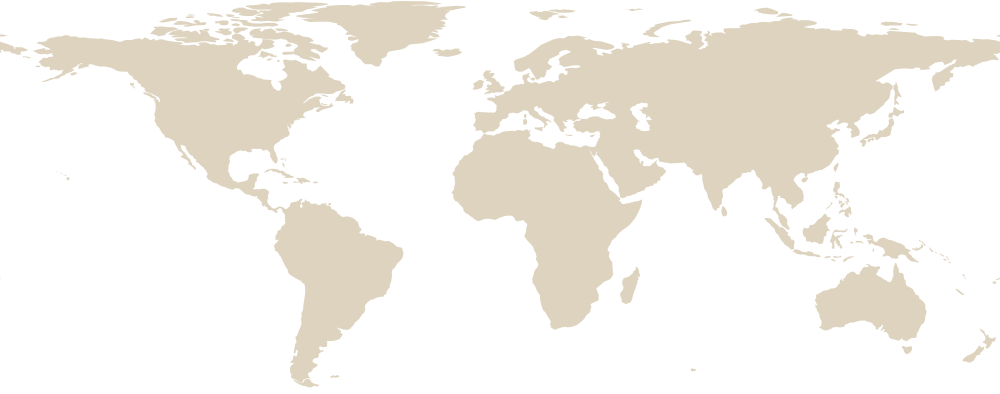

Birthplaces as a list
- Epicurus: Samos
- Isocrates: Classical Athens
- Diogenes: Sinope
- Aristotle: Stageira
- Demosthenes: Upper Paiania
- Darius III: Persis
- Chanakya: Taxila
- Theophrastus: Eresos
- Zhuang Zhou: Shangqiu
- Seleucus I Nicator: Europos
- Alexander the Great: Pella
- Qu Yuan: Zigui County
- Chandragupta Maurya: Pataliputra
- Zeno of Citium: Kition
- Pharnavaz I: Mtskheta
- Aristarchus of Samos: Samos
- Ptolemy II Philadelphus: Kos
- Ashoka: Patna
- Apollonius of Rhodes: Alexandria
- Archimedes: Syracuse
- Han Fei: Xinzheng
- Eratosthenes: Cyrene
- Pytheas: Massalia
- Livius Andronicus: Taras
- Hamilcar Barca: Carthage
- Roxana: Bactria
- Chrysippus: Soli
- Ptolemy III Euergetes: Kos
- Praxiteles: Athens
- Apelles: Colophon
- Alexander IV of Macedon: Babylon
- Bindusara: Patna
- Xenocrates: Chalcedon
- Olympias: Passaron
- Shang Yang: Puyang
- Antigonus I Monophthalmus: Elimiotis
- Antiochus I Soter: Macedonia
- Li Si: Shangcai County
- Lysippos: Sicyon
- Lysimachus: Pella
- Aeschines: Athens
- Cleanthes: Assos
- Aratus: Soli
- Antiochus II Theos: Syria
- Gnaeus Naevius: ancient Capua
- Aristoxenus: Taras
- Agathocles of Syracuse: Himera
- Demetrius of Phalerum: Phaleron
- Arsinoe II: Memphis
- Arcesilaus: Pitane
- Perdiccas: Orestis
- Hiero II of Syracuse: Syracuse
- Ctesibius: Alexandria
- Ephorus: Cyme
- Hephaestion: Pella
- Strato of Lampsacus: Lampsacus
- Herophilos: Chalcedon
- Parmenion: Greece
- Heraclides Ponticus: Heraclea Pontica
- Nearchus: Lato
Compare Epicurus
The 66 best-known contemporaries
66 of the people we track were surely alive at the same time as Epicurus. All of them are listed here. See also everyone alive in 306 BC.
- Aristotle 384–322 BC
- Alexander the Great 356–323 BC
- Archimedes c. 287 – 212 BC
- Ashoka 304–232 BC
- Chanakya 375–283 BC
- Diogenes c. 400 – c. 323 BC
- Demosthenes 384–322 BC
- Eratosthenes 276–194 BC
- Mencius c. 372 – c. 289 BC
- Theophrastus c. 371 – 287 BC
- Zhuang Zhou c. 369 – c. 288 BC
- Zeno of Citium c. 334 – 263 BC
- Chandragupta Maurya 340–297 BC
- Pyrrhus of Epirus 318–272 BC
- Darius III 380–330 BC
- Aristarchus of Samos c. 310 – c. 230 BC
- Isocrates 436–338 BC
- Seleucus I Nicator 358–281 BC
- Han Fei c. 280 – 233 BC
- Ptolemy II Philadelphus 308–246 BC
- Pharnavaz I 326–234 BC
- Apollonius of Rhodes c. 293 – 215 BC
- Qu Yuan 343–278 BC
- Pytheas c. 359 – c. 289 BC
- Artaxerxes III 425–338 BC
- Livius Andronicus c. 280 – c. 200 BC
- Hamilcar Barca 275–228 BC
- Roxana c. 346 – 310 BC
- Chrysippus 281–208 BC
- Ptolemy III Euergetes 284–222 BC
- Praxiteles c. 395 – c. 330 BC
- Apelles 370–306 BC
- Alexander IV of Macedon 323–309 BC
- Bindusara 320–273 BC
- Xenocrates 396–314 BC
- Olympias c. 375 – 316 BC
- Shang Yang 390–338 BC
- Antigonus I Monophthalmus 382–301 BC
- Antiochus I Soter c. 324 – c. 262 BC
- Li Si 280–208 BC
- Lysippos c. 390 – c. 300 BC
- Lysimachus c. 357 – 281 BC
- Aeschines c. 390 – c. 322 BC
- Cleanthes 331–232 BC
- Philip III of Macedon 359–317 BC
- Antipater 397–319 BC
- Aratus c. 315 – c. 240 BC
- Antiochus II Theos 286 – c. 247 BC
- Gnaeus Naevius 275–201 BC
- Aristoxenus c. 360 – c. 300 BC
- Agathocles of Syracuse 361–289 BC
- Cassander 355–296 BC
- Demetrius of Phalerum 350–283 BC
- Demetrius I Poliorcetes c. 337 – 283 BC
- Arsinoe II 316 – c. 269 BC
- Arcesilaus 315–240 BC
- Perdiccas 365–321 BC
- Hiero II of Syracuse 308–215 BC
- Ctesibius c. 284 – c. 221 BC
- Ephorus c. 400 – c. 330 BC
- Hephaestion 356–324 BC
- Strato of Lampsacus c. 335 – c. 269 BC
- Herophilos 335–280 BC
- Parmenion 400–329 BC
- Heraclides Ponticus 385 – c. 322 BC
- Nearchus 356–300 BC