
Parmenion
Military leader
Born 400 BC · died 329 BC, aged 70 or 71
Also known as Parmenio
Who was alive at the same time as Parmenion?
- Gorgias, c. 483 – c. 375 BC
- Socrates, c. 470 – 399 BC
- Mozi, 470–391 BC
- Hippocrates, c. 460 – c. 370 BC
- Aristophanes, c. 445 – 385 BC
- Antisthenes, 445–365 BC
- Aristippus, c. 435 – c. 360 BC
- Isocrates, 436–338 BC
- Eudoxus of Cnidus, c. 408 – c. 355 BC
- Diogenes, c. 400 – c. 323 BC
- Parmenion, 400–329 BC
- Aristotle, 384–322 BC
- Demosthenes, 384–322 BC
- Darius III, 380–330 BC
- Chanakya, 375–283 BC
- Mencius, c. 372 – c. 289 BC
- Theophrastus, c. 371 – 287 BC
- Zhuang Zhou, c. 369 – c. 288 BC
- Seleucus I Nicator, 358–281 BC
- Alexander the Great, 356–323 BC
- Qu Yuan, 343–278 BC
- Epicurus, 342–270 BC
- Chandragupta Maurya, 340–297 BC
- Zeno of Citium, c. 334 – 263 BC
When Parmenion was born, Mozi was 69 or 70, Artaxerxes III was 24 or 25, Agesilaus II was 43 or 44, Hippias was 42 or 43 and Marcus Furius Camillus was 45 or 46.
When Parmenion died, Alexander the Great was 26 or 27, Demosthenes was 54 or 55, Qu Yuan was 13 or 14, Apelles was 40 or 41 and Xenocrates was 66 or 67.
Born during Parmenion’s lifetime: Aristotle, Alexander the Great, Epicurus, Chanakya, Demosthenes, Mencius, Theophrastus and Zhuang Zhou.
Not quite contemporaries: Sophocles died about 4 years before Parmenion was born, Pyrrhus of Epirus was born about 11 years after Parmenion died, Alcibiades died about 4 years before Parmenion was born and Pharnavaz I was born about 3 years after Parmenion died.
What happened in Parmenion’s lifetime
- Alexander’s conquests 336 BC–323 BCParmenion was 63 or 64
- Battle of Gaugamela 331 BCParmenion was 68 or 69
Where Parmenion’s contemporaries were born
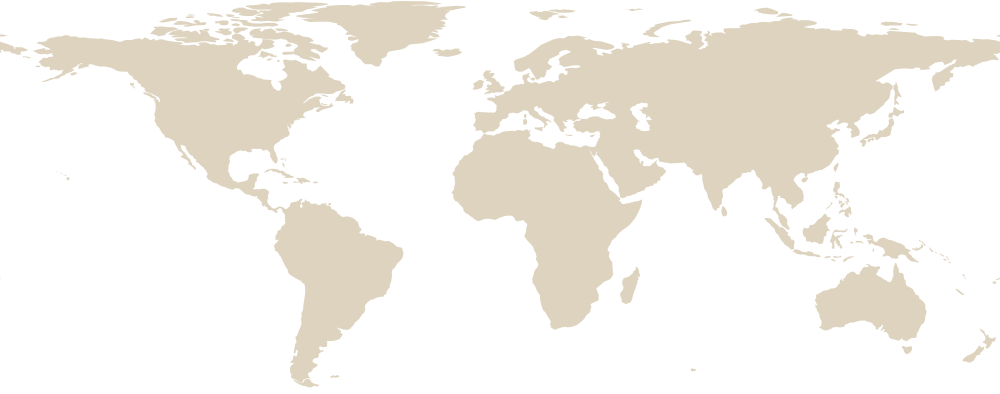

Birthplaces as a list
- Parmenion: Greece
- Gorgias: Lentini
- Socrates: Athens
- Hippocrates: Kos
- Aristophanes: Classical Athens
- Antisthenes: Piraeus
- Aristippus: Cyrene
- Isocrates: Classical Athens
- Eudoxus of Cnidus: Knidos
- Diogenes: Sinope
- Aristotle: Stageira
- Demosthenes: Upper Paiania
- Darius III: Persis
- Chanakya: Taxila
- Theophrastus: Eresos
- Zhuang Zhou: Shangqiu
- Seleucus I Nicator: Europos
- Alexander the Great: Pella
- Qu Yuan: Zigui County
- Epicurus: Samos
- Chandragupta Maurya: Pataliputra
- Zeno of Citium: Kition
- Archytas: Taras
- Pytheas: Massalia
- Roxana: Bactria
- Epaminondas: Thebes
- Philolaus: Crotone
- Praxiteles: Athens
- Apelles: Colophon
- Agesilaus II: Sparta
- Xenocrates: Chalcedon
- Olympias: Passaron
- Shang Yang: Puyang
- Antigonus I Monophthalmus: Elimiotis
- Lysippos: Sicyon
- Lysimachus: Pella
- Lysias: Athens
- Aeschines: Athens
- Cleanthes: Assos
- Aristoxenus: Taras
- Agathocles of Syracuse: Himera
- Demetrius of Phalerum: Phaleron
- Prodicus: Kea
- Dionysius I of Syracuse: Syracuse
- Perdiccas: Orestis
- Hippias: Elis
- Mausolus: Caria
- Ephorus: Cyme
- Hephaestion: Pella
- Marcus Furius Camillus: Ancient Rome
- Strato of Lampsacus: Lampsacus
- Herophilos: Chalcedon
- Heraclides Ponticus: Heraclea Pontica
- Nearchus: Lato
Compare Parmenion
The 61 best-known contemporaries
61 of the people we track were surely alive at the same time as Parmenion. All of them are listed here. See also everyone alive in 364 BC.
- Aristotle 384–322 BC
- Socrates c. 470 – 399 BC
- Alexander the Great 356–323 BC
- Hippocrates c. 460 – c. 370 BC
- Epicurus 342–270 BC
- Aristophanes c. 445 – 385 BC
- Chanakya 375–283 BC
- Diogenes c. 400 – c. 323 BC
- Demosthenes 384–322 BC
- Mencius c. 372 – c. 289 BC
- Theophrastus c. 371 – 287 BC
- Zhuang Zhou c. 369 – c. 288 BC
- Zeno of Citium c. 334 – 263 BC
- Gorgias c. 483 – c. 375 BC
- Antisthenes 445–365 BC
- Chandragupta Maurya 340–297 BC
- Darius III 380–330 BC
- Isocrates 436–338 BC
- Seleucus I Nicator 358–281 BC
- Aristippus c. 435 – c. 360 BC
- Eudoxus of Cnidus c. 408 – c. 355 BC
- Mozi 470–391 BC
- Qu Yuan 343–278 BC
- Archytas c. 430 – c. 345 BC
- Pytheas c. 359 – c. 289 BC
- Artaxerxes III 425–338 BC
- Artaxerxes II c. 453 – 358 BC
- Roxana c. 346 – 310 BC
- Epaminondas c. 418 – 362 BC
- Philolaus c. 470 – c. 390 BC
- Praxiteles c. 395 – c. 330 BC
- Apelles 370–306 BC
- Agesilaus II 444–360 BC
- Xenocrates 396–314 BC
- Olympias c. 375 – 316 BC
- Shang Yang 390–338 BC
- Antigonus I Monophthalmus 382–301 BC
- Lysippos c. 390 – c. 300 BC
- Lysimachus c. 357 – 281 BC
- Lysias c. 445 – 380 BC
- Aeschines c. 390 – c. 322 BC
- Cleanthes 331–232 BC
- Philip III of Macedon 359–317 BC
- Antipater 397–319 BC
- Aristoxenus c. 360 – c. 300 BC
- Agathocles of Syracuse 361–289 BC
- Cassander 355–296 BC
- Demetrius of Phalerum 350–283 BC
- Demetrius I Poliorcetes c. 337 – 283 BC
- Prodicus c. 460 – c. 380 BC
- Dionysius I of Syracuse c. 431 – 367 BC
- Perdiccas 365–321 BC
- Hippias 443–399 BC
- Mausolus c. 410 – 353 BC
- Ephorus c. 400 – c. 330 BC
- Hephaestion 356–324 BC
- Marcus Furius Camillus 446–365 BC
- Strato of Lampsacus c. 335 – c. 269 BC
- Herophilos 335–280 BC
- Heraclides Ponticus 385 – c. 322 BC
- Nearchus 356–300 BC