
Hiero II of Syracuse
Politician
Born 308 BC · died 215 BC, aged 92 or 93
Also known as Hiero II, Hieron son of Hierocles
Who was alive at the same time as Hiero II of Syracuse?
- Chanakya, 375–283 BC
- Mencius, c. 372 – c. 289 BC
- Theophrastus, c. 371 – 287 BC
- Zhuang Zhou, c. 369 – c. 288 BC
- Seleucus I Nicator, 358–281 BC
- Epicurus, 342–270 BC
- Chandragupta Maurya, 340–297 BC
- Zeno of Citium, c. 334 – 263 BC
- Pyrrhus of Epirus, 318–272 BC
- Aristarchus of Samos, c. 310 – c. 230 BC
- Hiero II of Syracuse, 308–215 BC
- Ptolemy II Philadelphus, 308–246 BC
- Ashoka, 304–232 BC
- Archimedes, c. 287 – 212 BC
- Han Fei, c. 280 – 233 BC
- Eratosthenes, 276–194 BC
- Apollonius of Perga, c. 262 – c. 190 BC
- Qin Shi Huang, 259–210 BC
- Emperor Gaozu of Han, 256–195 BC
- Plautus, 250–184 BC
- Hannibal, 247–183 BC
- Ennius, 239–169 BC
- Scipio Africanus, c. 235 – 183 BC
- Cato the Elder, c. 234 – 149 BC
When Hiero II of Syracuse was born, Pyrrhus of Epirus was 9 or 10, Pharnavaz I was 17 or 18, Qu Yuan was 34 or 35, Apelles was 61 or 62 and Bindusara was 11 or 12.
When Hiero II of Syracuse died, Hannibal was 31 or 32, Ennius was 23 or 24, Ptolemy IV Philopator was 28 or 29, Li Si was 64 or 65 and Gnaeus Naevius was 59 or 60.
Born during Hiero II of Syracuse’s lifetime: Archimedes, Qin Shi Huang, Ashoka, Hannibal, Eratosthenes, Plautus, Cato the Elder and Apollonius of Perga.
Not quite contemporaries: Aristotle died about 14 years before Hiero II of Syracuse was born, Alexander the Great died about 15 years before Hiero II of Syracuse was born, Diogenes died about 13 years before Hiero II of Syracuse was born and Demosthenes died about 14 years before Hiero II of Syracuse was born.
What happened in Hiero II of Syracuse’s lifetime
- Qin unifies China 230 BC–221 BCHiero II of Syracuse was 77 or 78
- Second Punic War 218 BC–201 BCHiero II of Syracuse was 89 or 90
- Battle of Cannae 216 BCHiero II of Syracuse was 91 or 92
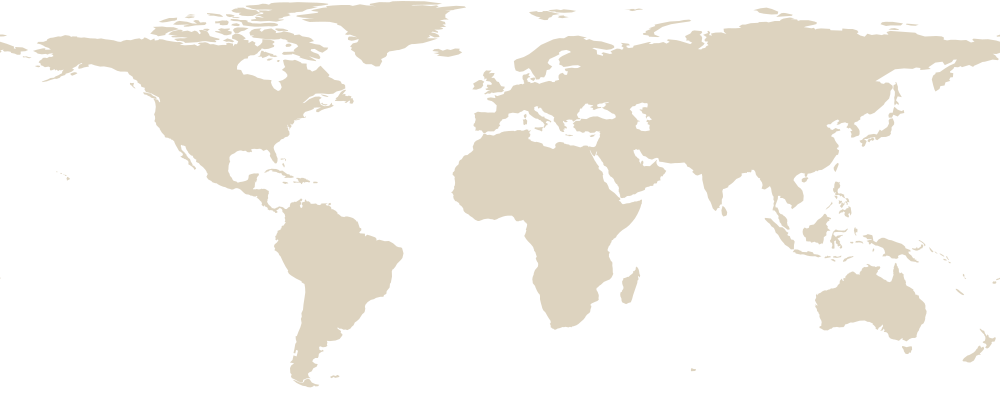
Where Hiero II of Syracuse’s contemporaries were born
.jpg)
Birthplaces as a list
- Hiero II of Syracuse: Syracuse
- Chanakya: Taxila
- Theophrastus: Eresos
- Zhuang Zhou: Shangqiu
- Seleucus I Nicator: Europos
- Epicurus: Samos
- Chandragupta Maurya: Pataliputra
- Zeno of Citium: Kition
- Aristarchus of Samos: Samos
- Ptolemy II Philadelphus: Kos
- Ashoka: Patna
- Archimedes: Syracuse
- Han Fei: Xinzheng
- Eratosthenes: Cyrene
- Apollonius of Perga: Perge
- Qin Shi Huang: Handan
- Emperor Gaozu of Han: Pei County
- Plautus: Sarsina
- Hannibal: Carthage
- Ennius: Rudiae
- Scipio Africanus: Ancient Rome
- Cato the Elder: Tusculum
- Pharnavaz I: Mtskheta
- Apollonius of Rhodes: Alexandria
- Antiochus III the Great: Susa
- Qu Yuan: Zigui County
- Pytheas: Massalia
- Livius Andronicus: Taras
- Hamilcar Barca: Carthage
- Chrysippus: Soli
- Ptolemy III Euergetes: Kos
- Apelles: Colophon
- Bindusara: Patna
- Antigonus I Monophthalmus: Elimiotis
- Antiochus I Soter: Macedonia
- Li Si: Shangcai County
- Lysippos: Sicyon
- Lysimachus: Pella
- Cleanthes: Assos
- Aratus: Soli
- Antiochus II Theos: Syria
- Gnaeus Naevius: ancient Capua
- Aristoxenus: Taras
- Agathocles of Syracuse: Himera
- Demetrius of Phalerum: Phaleron
- Arsinoe II: Memphis
- Arcesilaus: Pitane
- Lucius Aemilius Paullus Macedonicus: Ancient Rome
- Xiang Yu: Suqian
- Ctesibius: Alexandria
- Qin Er Shi: Qindu District
- Hasdrubal Barca: Carthage
- Strato of Lampsacus: Lampsacus
- Herophilos: Chalcedon
- Berenice II: Cyrene
- Nearchus: Lato
- Hasdrubal the Fair: Carthage
Compare Hiero II of Syracuse
The 69 best-known contemporaries
69 of the people we track were surely alive at the same time as Hiero II of Syracuse. All of them are listed here. See also everyone alive in 261 BC.
- Archimedes c. 287 – 212 BC
- Qin Shi Huang 259–210 BC
- Ashoka 304–232 BC
- Epicurus 342–270 BC
- Chanakya 375–283 BC
- Hannibal 247–183 BC
- Eratosthenes 276–194 BC
- Mencius c. 372 – c. 289 BC
- Plautus 250–184 BC
- Cato the Elder c. 234 – 149 BC
- Theophrastus c. 371 – 287 BC
- Zhuang Zhou c. 369 – c. 288 BC
- Zeno of Citium c. 334 – 263 BC
- Chandragupta Maurya 340–297 BC
- Pyrrhus of Epirus 318–272 BC
- Apollonius of Perga c. 262 – c. 190 BC
- Scipio Africanus c. 235 – 183 BC
- Aristarchus of Samos c. 310 – c. 230 BC
- Seleucus I Nicator 358–281 BC
- Han Fei c. 280 – 233 BC
- Ennius 239–169 BC
- Emperor Gaozu of Han 256–195 BC
- Ptolemy II Philadelphus 308–246 BC
- Pharnavaz I 326–234 BC
- Apollonius of Rhodes c. 293 – 215 BC
- Antiochus III the Great c. 242 – 187 BC
- Qu Yuan 343–278 BC
- Pytheas c. 359 – c. 289 BC
- Livius Andronicus c. 280 – c. 200 BC
- Hamilcar Barca 275–228 BC
- Chrysippus 281–208 BC
- Ptolemy III Euergetes 284–222 BC
- Apelles 370–306 BC
- Bindusara 320–273 BC
- Ptolemy IV Philopator 244–204 BC
- Antigonus I Monophthalmus 382–301 BC
- Antiochus I Soter c. 324 – c. 262 BC
- Li Si 280–208 BC
- Lysippos c. 390 – c. 300 BC
- Lysimachus c. 357 – 281 BC
- Cleanthes 331–232 BC
- Aratus c. 315 – c. 240 BC
- Antiochus II Theos 286 – c. 247 BC
- Gnaeus Naevius 275–201 BC
- Aristoxenus c. 360 – c. 300 BC
- Agathocles of Syracuse 361–289 BC
- Cassander 355–296 BC
- Demetrius of Phalerum 350–283 BC
- Seleucus II Callinicus 265–225 BC
- Masinissa 238 – c. 149 BC
- Demetrius I Poliorcetes c. 337 – 283 BC
- Arsinoe II 316 – c. 269 BC
- Arcesilaus 315–240 BC
- Philip V of Macedon 238–179 BC
- Lucius Aemilius Paullus Macedonicus c. 228 – 160 BC
- Modu Chanyu 234–174 BC
- Xiang Yu 232–202 BC
- Ctesibius c. 284 – c. 221 BC
- Qin Er Shi c. 226 – 207 BC
- Attalus I 269–197 BC
- Hasdrubal Barca 245–207 BC
- Seleucus III Ceraunus 243–223 BC
- Eumenes II 221–159 BC
- Seleucus IV Philopator 217–175 BC
- Strato of Lampsacus c. 335 – c. 269 BC
- Herophilos 335–280 BC
- Berenice II c. 266 – 221 BC
- Nearchus 356–300 BC
- Hasdrubal the Fair 270–221 BC