
Edward the Black Prince
English soldier
Born 15 June 1330 · died 8 June 1376, aged 45
Also known as Black Prince, the Black Prince
Who was alive at the same time as Edward the Black Prince?
- Pope John XXII, 1244 – 1334
- Giotto, c. 1272 – 1337
- Mansa Musa, c. 1280 – 1337
- Orhan, 1281 – 1362
- William of Ockham, c. 1288 – c. 1349
- Ibn Battuta, 1304 – c. 1368
- Petrarch, 1304 – 1374
- Pope Urban V, 1310 – 1370
- Edward III, 1312 – 1377
- Giovanni Boccaccio, 1313 – 1375
- Charles IV, Holy Roman Emperor, 1316 – 1378
- John Wycliffe, 1320s – 1384
- Hafez, c. 1325 – c. 1390
- Pope Gregory XI, c. 1331 – 1378
- Edward the Black Prince, 1330 – 1376
- Ibn Khaldun, c. 1332 – c. 1406
- Timur, 1336 – 1405
- Geoffrey Chaucer, c. 1343 – c. 1400
- Catherine of Siena, 1347 – 1380
- Bayezid I, c. 1354 – 1403
- Christine de Pizan, 1364 – 1430
- Pope Martin V, c. 1369 – 1431
- Charles VI of France, 1368 – 1422
- Zheng He, 1371 – c. 1435
When Edward the Black Prince was born, Ibn Battuta was 26, Petrarch was 25, Giovanni Boccaccio was 16 or 17, Orhan was 49 and Edward III was 17.
When Edward the Black Prince died, Ibn Khaldun was 43 or 44, Timur was 40, Zheng He was 4 or 5, Edward III was 63 and Catherine of Siena was 29.
Born during Edward the Black Prince’s lifetime: Geoffrey Chaucer, Ibn Khaldun, Timur, Zheng He, Bayezid I, Catherine of Siena, Pope Martin V and Christine de Pizan.
Not quite contemporaries: Dante Alighieri died about 9 years before Edward the Black Prince was born, Marco Polo died about 6 years before Edward the Black Prince was born, Donatello was born about 8 years after Edward the Black Prince died and Osman I died about 4 years before Edward the Black Prince was born.
What happened in Edward the Black Prince’s lifetime
- Hundred Years’ War 1337–1453Edward the Black Prince was 6
- Black Death 1347–1352Edward the Black Prince was 15 or 16
Where Edward the Black Prince’s contemporaries were born
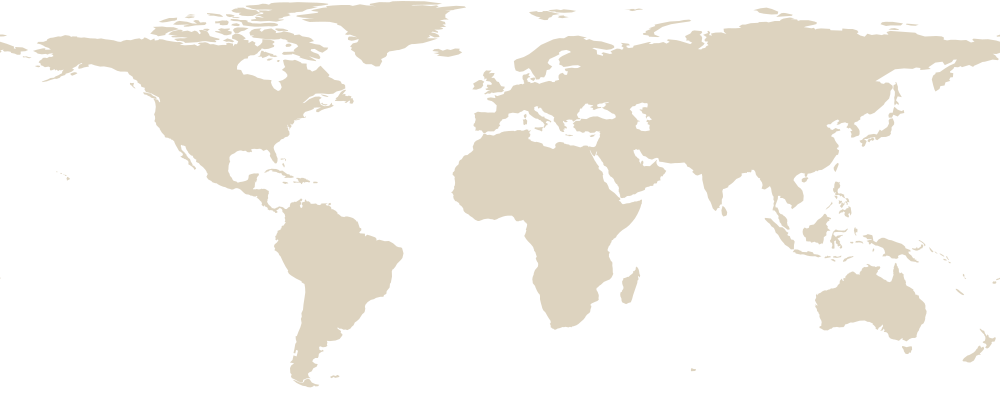

Birthplaces as a list
- Edward the Black Prince: Woodstock Palace
- Pope John XXII: Cahors
- Giotto: Vicchio
- Orhan: Söğüt
- William of Ockham: Ockham
- Ibn Battuta: Tangier
- Petrarch: Arezzo
- Pope Urban V: Château de Grizac
- Edward III: Windsor Castle
- Giovanni Boccaccio: Florence
- Charles IV, Holy Roman Emperor: Prague
- John Wycliffe: Hipswell
- Hafez: Shiraz
- Pope Gregory XI: Rosiers-d'Égletons
- Ibn Khaldun: Tunis
- Timur: Shahrisabz
- Geoffrey Chaucer: London
- Catherine of Siena: Siena
- Bayezid I: Edirne
- Christine de Pizan: Venice
- Pope Martin V: Genazzano
- Charles VI of France: Paris
- Zheng He: Kunming
- Pope Benedict XII: Saverdun
- Pope Innocent VI: Beyssac
- Murad I: Bursa
- Pope Clement VI: Rosiers-d'Égletons
- Pope Urban VI: Itri
- Pope Gregory XII: Venice
- Władysław II Jagiełło: Vilnius
- Charles V of France: Château de Vincennes
- Richard II of England: Bordeaux
- Pope Innocent VII: Sulmona
- Henry IV of England: Bolingbroke Castle
- Pope Boniface IX: Naples
- Sigismund, Holy Roman Emperor: Free Imperial City of Nuremberg
- Andrei Rublev: Grand Principality of Moscow
- Philip VI of France: Fontainebleau
- Bridget of Sweden: Finsta
- Hongwu Emperor: Fengyang County
- John II of France: Le Mans
- Zeami Motokiyo: Iga Province
- Margaret I of Denmark: Søborg Castle
- Manuel II Palaiologos: Constantinople
- Dmitry Donskoy: Moscow
- Casimir III the Great: Kowal
Compare Edward the Black Prince
- Edward the Black Prince and Geoffrey Chaucer
- Edward the Black Prince and Ibn Battuta
- Edward the Black Prince and Ibn Khaldun
- Edward the Black Prince and Petrarch
- Edward the Black Prince and Hafez
- Edward the Black Prince and Timur
- Edward the Black Prince and Zheng He
- Edward the Black Prince and Giovanni Boccaccio
The 46 best-known contemporaries
46 of the people we track were surely alive at the same time as Edward the Black Prince. All of them are listed here. See also everyone alive in 1353.
- Geoffrey Chaucer c. 1343 – c. 1400
- Ibn Battuta 1304 – c. 1368
- Ibn Khaldun c. 1332 – c. 1406
- Petrarch 1304 – 1374
- Hafez c. 1325 – c. 1390
- Timur 1336 – 1405
- Zheng He 1371 – c. 1435
- Giovanni Boccaccio 1313 – 1375
- Giotto c. 1272 – 1337
- William of Ockham c. 1288 – c. 1349
- Orhan 1281 – 1362
- Bayezid I c. 1354 – 1403
- Edward III 1312 – 1377
- John Wycliffe 1320s – 1384
- Mansa Musa c. 1280 – 1337
- Catherine of Siena 1347 – 1380
- Charles IV, Holy Roman Emperor 1316 – 1378
- Pope Martin V c. 1369 – 1431
- Christine de Pizan 1364 – 1430
- Charles VI of France 1368 – 1422
- Pope John XXII 1244 – 1334
- Pope Urban V 1310 – 1370
- Pope Gregory XI c. 1331 – 1378
- Pope Benedict XII 1280 – 1342
- Pope Innocent VI c. 1284 – 1362
- Murad I 1326 – 1389
- Pope Clement VI 1291 – 1352
- Pope Urban VI c. 1318 – 1389
- Pope Gregory XII c. 1335 – 1417
- Władysław II Jagiełło 1362 – 1434
- Charles V of France 1338 – 1380
- Richard II of England 1367 – c. 1400
- Pope Innocent VII c. 1338 – 1406
- Henry IV of England 1367 – 1413
- Pope Boniface IX 1356 – 1404
- Sigismund, Holy Roman Emperor 1368 – 1437
- Andrei Rublev 1360s – 1430
- Philip VI of France 1293 – 1350
- Bridget of Sweden 1303 – 1373
- Hongwu Emperor 1328 – 1398
- John II of France 1319 – 1364
- Zeami Motokiyo c. 1363 – 1443
- Margaret I of Denmark 1353 – 1412
- Manuel II Palaiologos 1350 – 1425
- Dmitry Donskoy 1350 – 1389
- Casimir III the Great 1310 – 1370