
Edward III
Monarch of England
Born 13 November 1312 · died 21 June 1377, aged 64
Also known as Edward III of England, Edward of Windsor
Who was alive at the same time as Edward III?
- Marco Polo, 1254 – 1324
- Osman I, 1258 – 1326
- Dante Alighieri, c. 1265 – 1321
- Giotto, c. 1272 – 1337
- Philip IV of France, 1268 – 1314
- Mansa Musa, c. 1280 – 1337
- Orhan, 1281 – 1362
- William of Ockham, c. 1288 – c. 1349
- Ibn Battuta, 1304 – c. 1368
- Petrarch, 1304 – 1374
- Edward III, 1312 – 1377
- Giovanni Boccaccio, 1313 – 1375
- Charles IV, Holy Roman Emperor, 1316 – 1378
- John Wycliffe, 1320s – 1384
- Hafez, c. 1325 – c. 1390
- Ibn Khaldun, c. 1332 – c. 1406
- Timur, 1336 – 1405
- Geoffrey Chaucer, c. 1343 – c. 1400
- Catherine of Siena, 1347 – 1380
- Bayezid I, c. 1354 – 1403
- Christine de Pizan, 1364 – 1430
- Pope Martin V, c. 1369 – 1431
- Charles VI of France, 1368 – 1422
- Zheng He, 1371 – c. 1435
When Edward III was born, Marco Polo was 58, Ibn Battuta was 8, Petrarch was 8, Osman I was 54 and Philip IV of France was 44.
When Edward III died, Ibn Khaldun was 44 or 45, Timur was 41, Zheng He was 5 or 6, Catherine of Siena was 30 and Charles IV, Holy Roman Emperor was 61.
Born during Edward III’s lifetime: Geoffrey Chaucer, Ibn Khaldun, Hafez, Timur, Zheng He, Giovanni Boccaccio, Bayezid I and John Wycliffe.
Not quite contemporaries: Donatello was born about 7 years after Edward III died, William Wallace died about 7 years before Edward III was born, Edward I died about 5 years before Edward III was born and Pope Boniface VIII died about 9 years before Edward III was born.
What happened in Edward III’s lifetime
- Hundred Years’ War 1337–1453Edward III was 24
- Black Death 1347–1352Edward III was 33 or 34
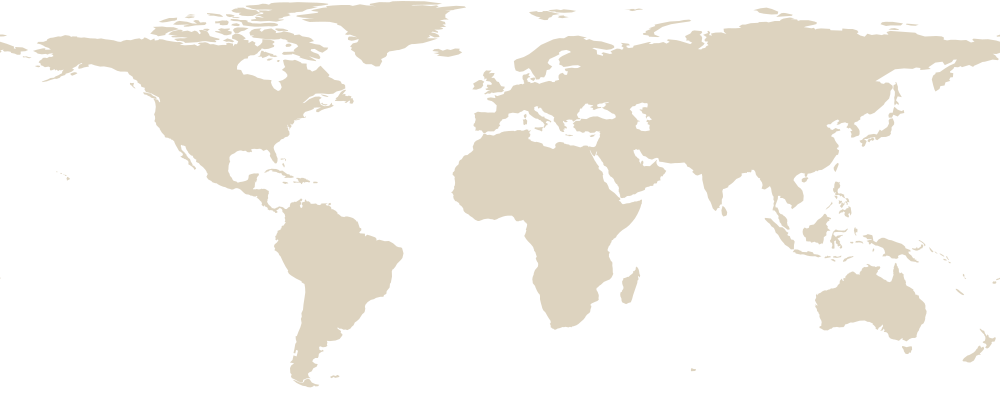
Where Edward III’s contemporaries were born
.jpg)
Birthplaces as a list
- Edward III: Windsor Castle
- Marco Polo: Venice
- Osman I: Söğüt
- Dante Alighieri: Florence
- Giotto: Vicchio
- Philip IV of France: Fontainebleau
- Orhan: Söğüt
- William of Ockham: Ockham
- Ibn Battuta: Tangier
- Petrarch: Arezzo
- Giovanni Boccaccio: Florence
- Charles IV, Holy Roman Emperor: Prague
- John Wycliffe: Hipswell
- Hafez: Shiraz
- Ibn Khaldun: Tunis
- Timur: Shahrisabz
- Geoffrey Chaucer: London
- Catherine of Siena: Siena
- Bayezid I: Edirne
- Christine de Pizan: Venice
- Pope Martin V: Genazzano
- Charles VI of France: Paris
- Zheng He: Kunming
- Pope John XXII: Cahors
- Amir Khusrau: Patiyali
- Ibn Taymiyya: Harran
- Pope Urban V: Château de Grizac
- Pope Clement V: Villandraut
- Pope Gregory XI: Rosiers-d'Égletons
- Pope Benedict XII: Saverdun
- Pope Innocent VI: Beyssac
- Edward II: Caernarfon Castle
- Murad I: Bursa
- Pope Clement VI: Rosiers-d'Égletons
- Pope Urban VI: Itri
- Pope Gregory XII: Venice
- Władysław II Jagiełło: Vilnius
- Robert the Bruce: Turnberry Castle
- Charles V of France: Château de Vincennes
- Richard II of England: Bordeaux
- Ramon Llull: Palma
- Meister Eckhart: Tambach-Dietharz
- Pope Innocent VII: Sulmona
- Henry IV of England: Bolingbroke Castle
- Pope Boniface IX: Naples
- Sigismund, Holy Roman Emperor: Free Imperial City of Nuremberg
- Andrei Rublev: Grand Principality of Moscow
- Philip VI of France: Fontainebleau
- Bridget of Sweden: Finsta
- Hongwu Emperor: Fengyang County
- Louis X of France: Paris
- John II of France: Le Mans
- Charles IV of France: Creil
- Duccio: Siena
- Edward the Black Prince: Woodstock Palace
- Zeami Motokiyo: Iga Province
- Margaret I of Denmark: Søborg Castle
- Yunus Emre: Asia Minor
- Manuel II Palaiologos: Constantinople
- Dmitry Donskoy: Moscow
- Casimir III the Great: Kowal
Compare Edward III
The 61 best-known contemporaries
61 of the people we track were surely alive at the same time as Edward III. All of them are listed here. See also everyone alive in 1345.
- Dante Alighieri c. 1265 – 1321
- Marco Polo 1254 – 1324
- Geoffrey Chaucer c. 1343 – c. 1400
- Ibn Battuta 1304 – c. 1368
- Ibn Khaldun c. 1332 – c. 1406
- Petrarch 1304 – 1374
- Hafez c. 1325 – c. 1390
- Timur 1336 – 1405
- Zheng He 1371 – c. 1435
- Giovanni Boccaccio 1313 – 1375
- Osman I 1258 – 1326
- Giotto c. 1272 – 1337
- William of Ockham c. 1288 – c. 1349
- Philip IV of France 1268 – 1314
- Orhan 1281 – 1362
- Bayezid I c. 1354 – 1403
- John Wycliffe 1320s – 1384
- Mansa Musa c. 1280 – 1337
- Catherine of Siena 1347 – 1380
- Charles IV, Holy Roman Emperor 1316 – 1378
- Pope Martin V c. 1369 – 1431
- Christine de Pizan 1364 – 1430
- Charles VI of France 1368 – 1422
- Pope John XXII 1244 – 1334
- Amir Khusrau 1253 – 1325
- Ibn Taymiyya c. 1263 – c. 1328
- Pope Urban V 1310 – 1370
- Pope Clement V 1264 – 1314
- Pope Gregory XI c. 1331 – 1378
- Pope Benedict XII 1280 – 1342
- Pope Innocent VI c. 1284 – 1362
- Edward II 1284 – 1327
- Murad I 1326 – 1389
- Pope Clement VI 1291 – 1352
- Pope Urban VI c. 1318 – 1389
- Pope Gregory XII c. 1335 – 1417
- Władysław II Jagiełło 1362 – 1434
- Robert the Bruce 1274 – 1329
- Charles V of France 1338 – 1380
- Richard II of England 1367 – c. 1400
- Ramon Llull c. 1233 – c. 1316
- Meister Eckhart c. 1260 – c. 1328
- Pope Innocent VII c. 1338 – 1406
- Henry IV of England 1367 – 1413
- Pope Boniface IX 1356 – 1404
- Sigismund, Holy Roman Emperor 1368 – 1437
- Andrei Rublev 1360s – 1430
- Philip VI of France 1293 – 1350
- Bridget of Sweden 1303 – 1373
- Hongwu Emperor 1328 – 1398
- Louis X of France 1289 – 1316
- John II of France 1319 – 1364
- Charles IV of France 1294 – 1328
- Duccio c. 1255 – 1319
- Edward the Black Prince 1330 – 1376
- Zeami Motokiyo c. 1363 – 1443
- Margaret I of Denmark 1353 – 1412
- Yunus Emre c. 1241 – c. 1321
- Manuel II Palaiologos 1350 – 1425
- Dmitry Donskoy 1350 – 1389
- Casimir III the Great 1310 – 1370